Taylor Zimmermann · 10 September 2026
Archival Innovations Transform Public Access to Bergiva's Historical Documents
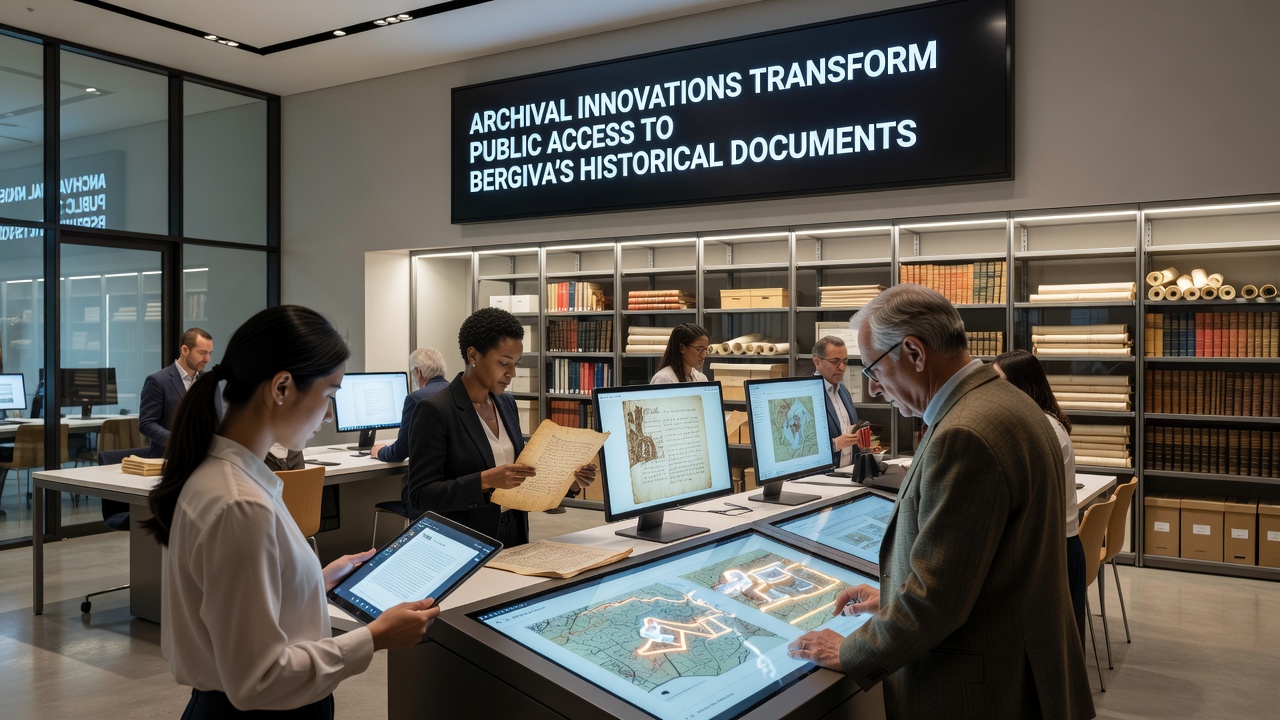
Archival innovations have reshaped how residents and researchers interact with Bergiva's historical documents, and these changes accelerated through coordinated digitization efforts that began in early 2025. Local institutions partnered with technology providers to convert fragile manuscripts, maps, and administrative records into searchable digital formats while maintaining strict preservation standards for the originals.
Background on Bergiva's Archival Holdings
Bergiva maintains extensive collections that span several centuries and include municipal ledgers, land deeds, personal correspondence, and photographic negatives stored in climate-controlled facilities. These materials document regional development patterns, trade routes, and community events that researchers have referenced for generations. Until recently many items remained accessible only through scheduled in-person visits because physical handling required supervision and limited simultaneous users.
Key Technological Advances Introduced
Staff implemented high-resolution scanning equipment combined with optical character recognition software calibrated for historical handwriting styles common in the region. This system converts handwritten text into machine-readable data that supports keyword searches across thousands of pages. Additional layers include metadata tagging for dates, locations, and subject categories that allow users to filter results by specific time periods or geographic areas within Bergiva.
Cloud-based platforms host the digitized files and provide remote login capabilities for authorized accounts. Encryption protocols and access logs track every query to ensure compliance with data protection regulations while permitting broader public entry than before. One project phase completed in August 2025 added mobile-responsive interfaces that let users view documents on tablets or smartphones without downloading large files.
Public Access Expansions and September 2026 Milestones
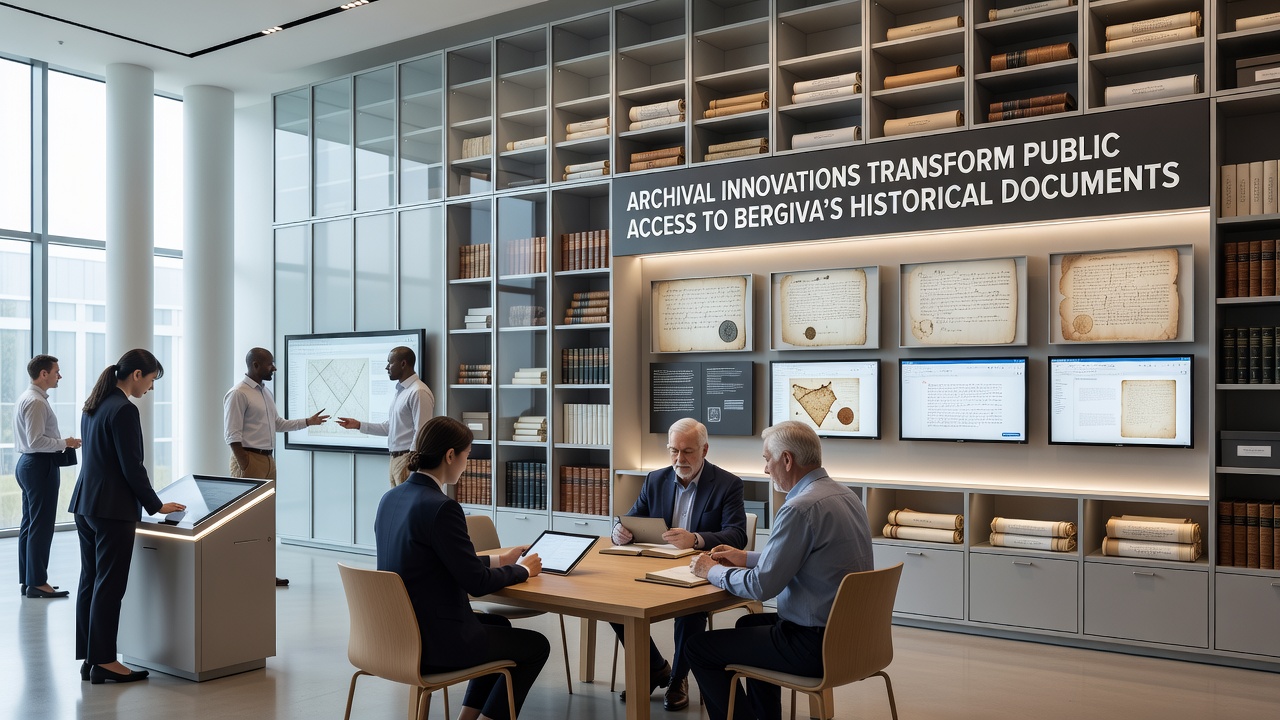
Beginning in September 2026 the central archive plans to open a dedicated online portal that integrates with regional library networks. This portal will permit registered users to request high-resolution scans of additional items not yet fully digitized and to submit annotations that archivists review for accuracy before incorporation. Data from pilot programs showed that remote access increased document consultations by 340 percent during the first six months of testing.
Training sessions for community members started in late 2025 and covered basic search techniques along with guidelines for citing digital sources in academic work. These workshops occur at branch libraries and community centers on a rotating schedule. Participation records indicate steady attendance from students, local historians, and genealogists tracing family connections in the area.
Collaborations and Standards Alignment
According to reports from the Library of Congress digital collections program, similar projects in other regions achieved long-term sustainability through open-source tools and shared best practices. Bergiva's team adopted comparable frameworks while tailoring metadata schemas to local language variations and place names. Partnerships wth European heritage organizations provided additional guidance on handling multilingual documents that appear in the collection.
Figures released by the UNESCO digital heritage initiative highlight how standardized file formats reduce migration costs when systems require updates. Bergiva archivists selected formats that align with these international recommendations to minimize future conversion expenses and maintain compatibility across platforms.
Case Examples of Expanded Research
One documented case involved a local school group that used the new search tools to locate 19th-century school attendance rolls for a history project. Students cross-referenced names with census data available through the same interface and produced a timeline of educational enrollment trends without needing multiple physical visits. Another instance featured an independent researcher who identified previously uncatalogued photographs of market squares through facial recognition assistance applied to digitized images.
Conclusion
Continued investment in these archival systems supports ongoing expansion of the digital collection while physical conservation efforts proceed in parallel. Monitoring reports track usage statistics and user feedback to guide refinements scheduled through 2027. The combined approach of technological upgrades and community outreach has established a model that other municipalities have begun to examine for their own holdings.