Carlo Griffin · 8 October 2026
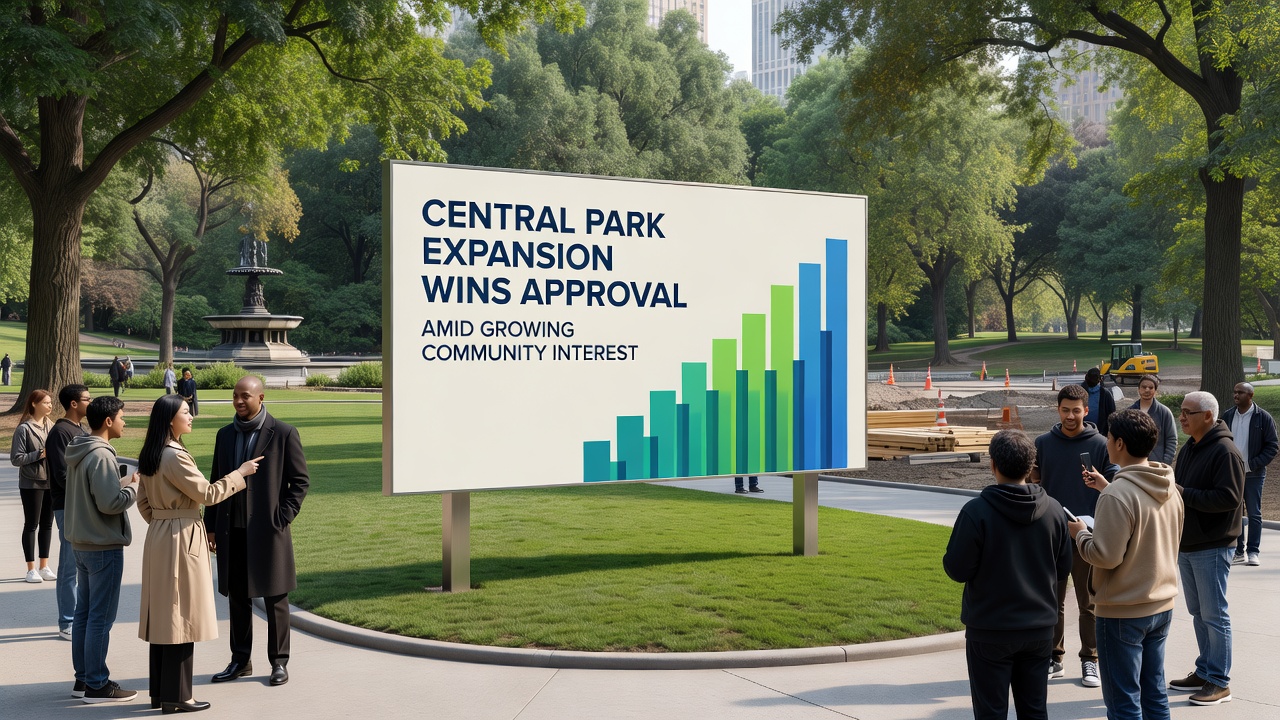
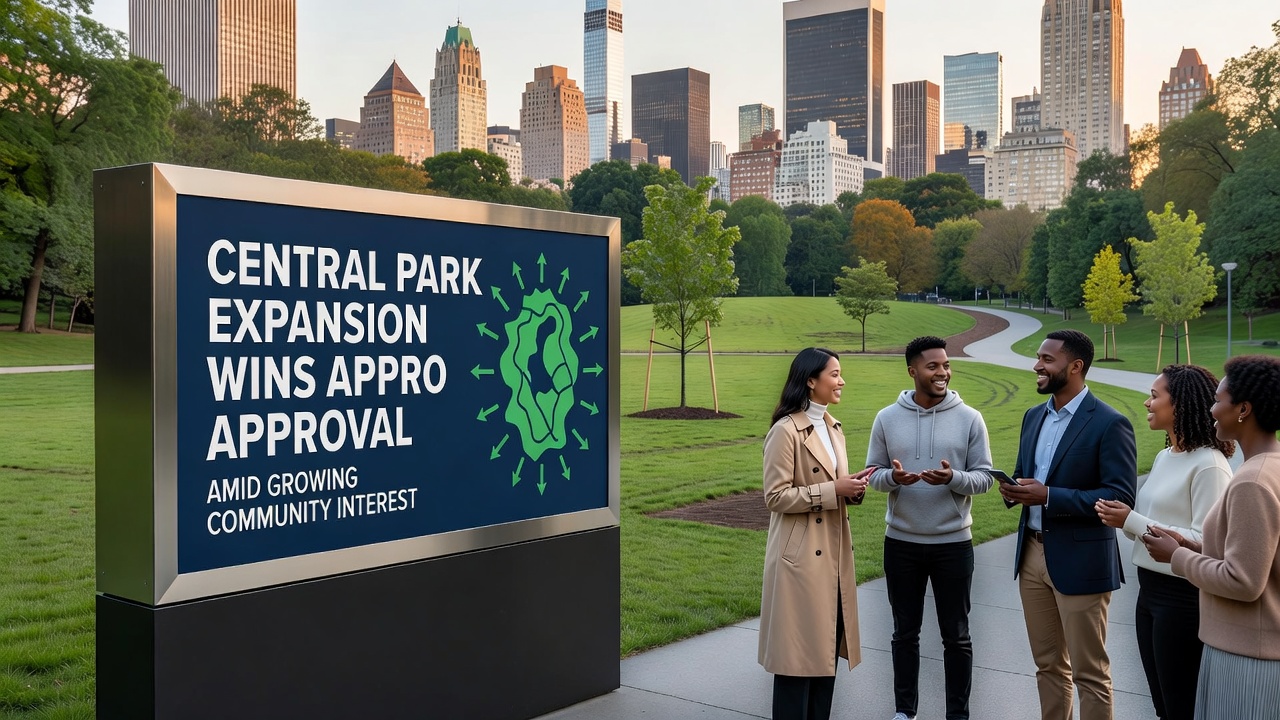
Central Park Expansion Wins Approval Amid Growing Community Interest
City planners in Bergiva granted formal approval for the Central Park expansion project during a session held in October 2026, and this decision followed months of public consultations that drew record attendance from local residents. The measure authorizes an additional 45 acres of protected green space along the park's eastern boundary while incorporating new trail networks, native plant restoration zones, and accessible recreation areas designed to accommodate rising visitor numbers.
Project Background and Timeline
Officials first proposed the expansion in early 2025 after data from the Bergiva Parks Department revealed a 28 percent increase in annual park usage over the previous five years. Researchers compiled usage statistics through sensor technology and visitor surveys, and those figures indicated that existing facilities reached capacity during peak weekend hours. Planners then developed multiple layout options that underwent review by environmental consultants before the October 2026 vote.
Funding for the initiative combines municipal bonds with contributions from regional conservation grants, and project managers estimate construction will begin in spring 2027 with phased completion targeted for late 2029. The plan prioritizes minimal disruption to current park operations during building phases, and crews will work in designated sectors to keep main pathways open throughout the process.
Community Engagement and Input
Public meetings attracted over 1,200 participants across six sessions, and attendees submitted detailed feedback on trail placement, lighting preferences, and wildlife corridor preservation. Organizers recorded comments through digital platforms and in-person forms, then incorporated recurring themes into revised blueprints that added more shaded seating and improved bicycle connections to surrounding neighborhoods. Community groups such as the Bergiva Trails Alliance played a central role in organizing turnout, and their involvement helped shape accessibility standards that align with international guidelines for inclusive design.
Key Features of the Expansion
The approved design introduces 12 kilometers of new multi-use paths that separate pedestrian and cycling routes to reduce conflicts, and it also creates three wetland restoration areas intended to support local bird populations. Native tree plantings will total 3,500 specimens selected for drought resistance and seasonal color variation, while interpretive signage will highlight ecological history drawn from archival records maintained by the Bergiva Historical Society.
Lighting upgrades feature low-impact LED fixtures positioned to minimize light pollution for nocturnal species, and solar-powered charging stations will appear at major gathering points. Maintenance crews will use electric equipment for routine upkeep to align with the city's broader emissions reduction targets.
Environmental and Economic Considerations
Environmental assessments conducted by independent firms confirmed that the expansion avoids sensitive habitats and incorporates stormwater management systems that exceed current regulatory requirements. Data from similar projects in other municipalities shows measurable improvements in air quality and urban cooling effects within two years of completion. Economic analyses project that increased park capacity could support local businesses through higher foot traffic, with estimates indicating potential annual visitor spending growth of 15 percent in adjacent commercial districts.
Observers note that comparable initiatives in cities across Canada and Australia have delivered sustained community benefits when public input guided final designs, and those examples informed Bergiva's approach to stakeholder coordination. A report from the European Environment Agency highlights how expanded urban green spaces correlate with reduced healthcare costs related to respiratory conditions, and planners referenced such findings during budget presentations.
Implementation and Next Steps
Project leads will issue requests for proposals from construction firms in November 2026, and selection criteria emphasize experience with sustainable building practices. Regular progress updates will appear on the city website, and residents can sign up for email notifications that detail milestones and temporary closures. Coordination with utility providers will ensure underground infrastructure upgrades occur alongside surface work to avoid repeated disruptions.
Conclusion
The Central Park expansion approval marks a measurable response to documented community needs and sets a framework for future green space management in Bergiva. Ongoing monitoring will track usage patterns, ecological outcomes, and visitor satisfaction once sections open to the public, and adjustments can occur based on collected evidence.