Erik Keller · 5 November 2026
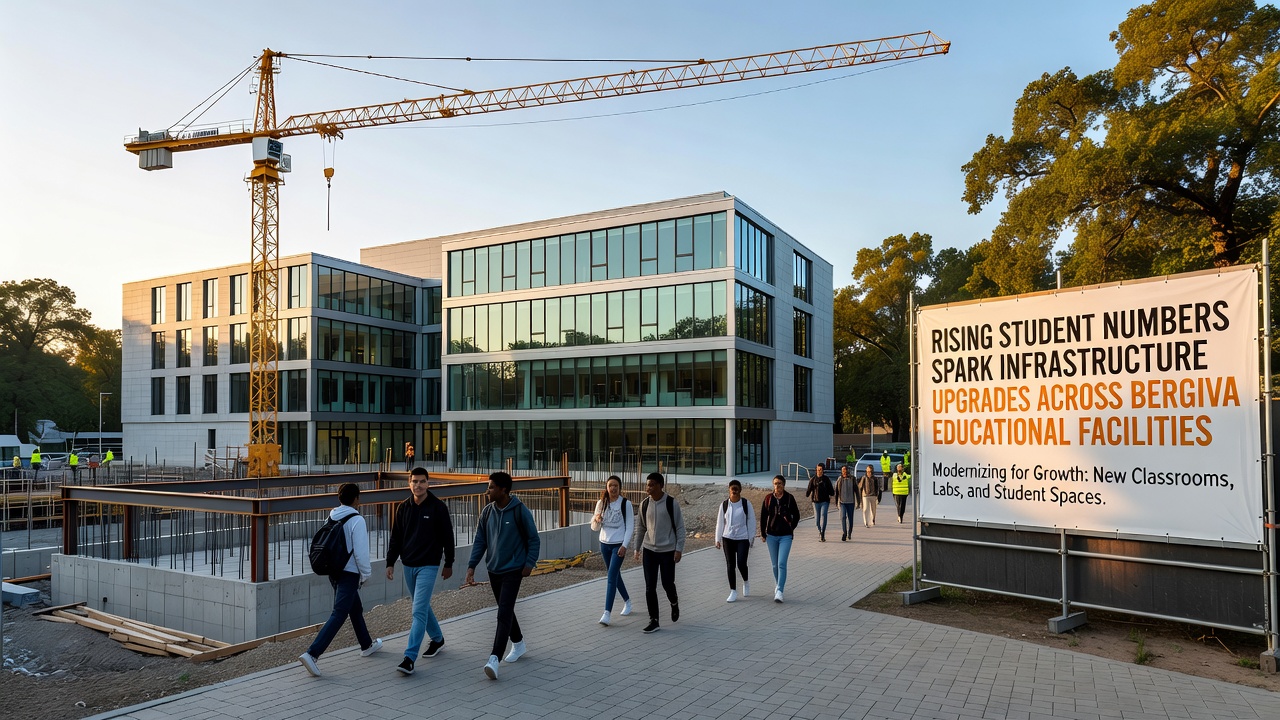
Rising Student Numbers Spark Infrastructure Upgrades Across Bergiva Educational Facilities
Enrollment figures at Bergiva educational facilities have climbed steadily over the past several years and officials have responded by launching multiple infrastructure projects that range from classroom additions to upgraded athletic facilities and technology hubs. Data from local education records shows student populations rising across elementary, middle, and high school campuses while construction crews work on site improvements scheduled for phased completion through late 2026. Observers note that these changes address capacity pressures without altering existing boundaries or program structures.
Enrollment Data and Growth Patterns
School district reports indicate total enrollment increased by roughly 12 percent between 2022 and 2025 with the sharpest gains occurring at the secondary level where several buildings now operate near capacity during peak periods. Figures reveal that three elementary sites added combined classes in portable units last year yet district planners moved quickly to replace those temporary structures with permanent wings funded through a combination of state allocations and local bonds. Researchers at regional universities have tracked similar patterns in comparable communities and attribute the rise to broader migration trends rather than changes in birth rates alone.
Construction timelines released in October 2025 list specific start dates for each campus and highlight that work on the largest high school expansion will reach key milestones by November 2026 when new science labs and a renovated library are expected to open. Project managers coordinate with teachers to minimize disruptions during the school year and contractors use modular building techniques to accelerate certain phases of the work.
Funding Sources and Project Scope
Local authorities secured grants from both national and international education programs to supplement bond revenue and those funds support technology infrastructure upgrades alongside physical expansions. According to statistics compiled by the National Center for Education Statistics comparable districts in North America have followed similar funding mixes when enrollment pressures intensify. Bergiva projects include reinforced seismic standards in new additions, expanded cafeteria seating, and improved HVAC systems designed to meet updated energy codes.
One middle school site received approval for an indoor athletic complex that will replace aging outdoor fields while another elementary campus adds two full wings containing twelve classrooms and dedicated art rooms. District engineers report that all new structures incorporate flexible partitions so spaces can adapt to future enrollment shifts without additional major construction.
Implementation Timeline and Community Coordination
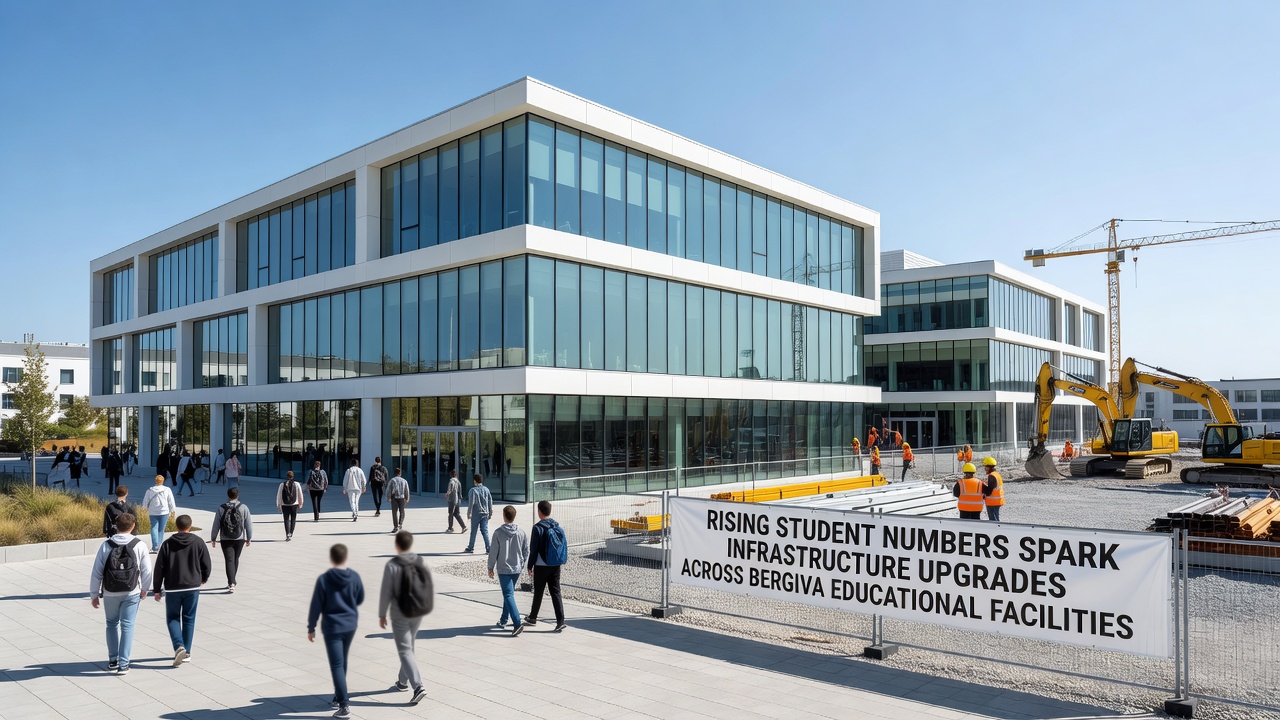
Work crews began site preparation at four locations during summer 2025 and continue through the current academic year with scheduled pauses during exam periods to limit noise and traffic around active classrooms. Officials coordinate with transportation departments to adjust bus routes around construction zones and publish weekly progress updates on the district website. Parents and staff receive advance notice of any temporary closures for utility connections or equipment deliveries.
Additional projects focus on accessibility improvements including ramps, elevators, and sensory-friendly spaces that align with updated federal guidelines. Data collected during planning phases showed demand for these features rising alongside overall enrollment and district teams incorporated the requirements into original designs rather than treating them as later modifications.
Conclusion
By November 2026 several key facilities are projected to open their expanded areas and district leaders anticipate that these upgrades will accommodate projected enrollment through the end of the decade. Ongoing monitoring of student numbers continues and future phases remain under review should growth exceed current forecasts. The coordinated approach across multiple campuses demonstrates how Bergiva educational facilities manage capacity increases through targeted infrastructure investments supported by diverse funding streams and detailed scheduling.